Building for Generations: How Four Cornerstones Capital Is Strengthening Its Governance

Four Cornerstones Capital is a subsidiary of Phaze 3 Associates, a Toronto-based family office focused on real estate development, private equity, and venture capital. It was founded in 2016 by Rick Ekstein, a Canadian entrepreneur, to steward the wealth created through a lifetime of entrepreneurship and business ownership. After graduating from university in 1978, Rick joined the lumber business on a full-time basis. Five years later, alongside his brother, Rick created the Weston Group of Companies, growing the business from a single lumber yard with 12 employees into one of Canada’s most diversified forest product re-manufacturing and distribution companies.

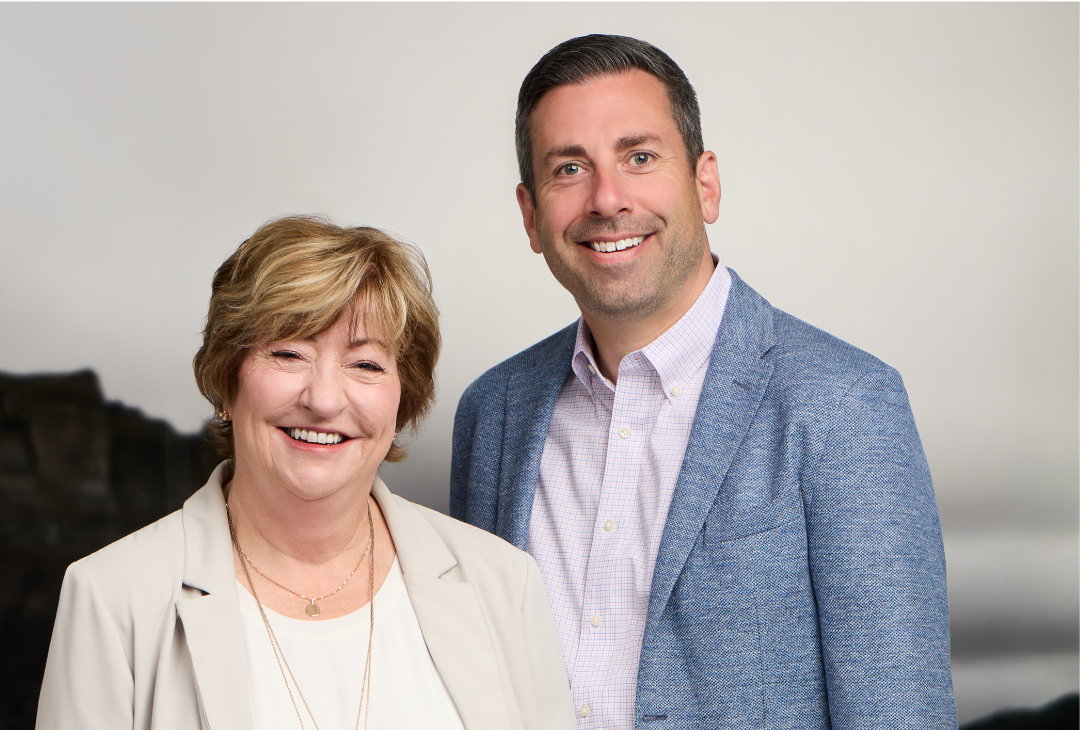
Today, Rick’s daughter Stephanie and her husband Michael are actively involved in the family office as an Executive Vice President and Chief Investment Officer, respectively. In 2025, Four Cornerstones retained Watson to recruit a Chair and two independent directors for its newly established Investment Advisory Council, which helps guide investment decisions and manage performance.

In early 2026, Watson spoke with Michael Shapiro, Chief Investment Officer, about the organization’s journey and how governance supports its future aspirations.


Barb Schimnowsky: Could you start by sharing the origin story of Four Cornerstones Capital?

Michael Shapiro: Four Cornerstones Capital is a subsidiary of Phaze 3 Associates, a family office created to steward the wealth that Rick and Lillian built over a lifetime of entrepreneurship and business ownership.

The story really starts before that. Both Rick and Lillian come from families of Holocaust survivors who came to Canada to build new lives. Their families faced tremendous adversity, but through hard work and perseverance created opportunities for future generations. Those experiences shaped many of the values that guide us today: family, integrity, resilience, stewardship, philanthropy, and gratitude for the opportunities Canada provided.

As the family’s assets and activities grew, it became important to establish a more formal structure to manage investments, support philanthropic initiatives, and prepare future generations. Four Cornerstones Capital was created to fulfill that role and to help ensure that the family’s capital continues to support its values and objectives for decades to come.

BS: How has your family’s experience building and operating businesses shaped the way Four Cornerstones Capital invests today?

MS: Having built and operated businesses ourselves, we tend to view investing through the same lens that helped create the family’s success in the first place.

We recently formalized that thinking into what we call our Success Model. Its foundation is the right people, resources, and systems. From there, everything is guided by five core principles: integrity, discipline, stewardship, curiosity, and family and team.

Whether we’re evaluating a business, a fund manager, or a real estate investment, we ask many of the same questions. Are we partnering with people we trust? Is there a disciplined process? Is there good governance? Are incentives aligned? Does the opportunity support our long-term objectives and create value for future generations?

The model was originally developed through decades of building and operating businesses, but today it also serves as the framework for how we evaluate investments and make decisions. We’re not trying to create a new approach. We’re applying the same principles that helped create the family’s success in the first place.

BS: What role do you see Four Cornerstones Capital playing in supporting and growing Canadian businesses?

MS: We try to bring more than just capital. One of the principles embedded in our Success Model is the importance of people, governance, discipline, and long-term thinking. When we invest, we’re looking for businesses and management teams that share those characteristics. We believe capital is most effective when it’s paired with strong leadership, aligned incentives, and a commitment to creating sustainable value.

Whether we’re investing in a business, a fund manager, or a real estate project, we’re looking for the same things: good people, strong governance, disciplined execution, and a long-term mindset. We believe that approach best helps businesses grow and create lasting value.

BS: As a family office with a multi-generational horizon, how do you think about stewardship?

MS: Stewardship means recognizing that we’re caretakers, not owners. Our responsibility is not simply to grow the family’s wealth, but to preserve the values, relationships, opportunities, and sense of purpose that helped create it in the first place. Rick and Lillian have always placed tremendous importance on family, integrity, tradition, philanthropy, and creating opportunities for future generations. Stewardship means ensuring those values continue long after any one individual is involved.

From a practical standpoint, that means building strong governance, making thoughtful decisions, managing risk appropriately, and preparing future generations to become responsible stewards themselves.

Our ultimate goal is to transfer knowledge, values, and a sense of responsibility – not just assets. If future generations understand not only what has been built, but why it was built, I think we’ve done our job well.

BS: Why was now the right time to strengthen the governance structure around your Investment Advisory Council?

MS: Governance is something you build before you need it. As the family assets, investment activities, and responsibilities have grown, we’ve spent a great deal of time thinking about how to institutionalize the family office and create a framework that can endure across generations. The creation of the Investment Advisory Council is part of that evolution. It reflects a desire to move from relying primarily on individuals to relying on a combination of people, process, governance, and accountability.

We believe better decisions come from constructive challenge and diverse perspectives. The Council provides independent viewpoints, helps identify blind spots, and strengthens the quality of our decision-making. Ultimately, the goal isn’t simply better investment performance. It’s better stewardship. We want to ensure that Four Cornerstones Capital continues to serve the family and its objectives long after any one individual is involved.

BS: What role do you expect the Investment Advisory Council to play in shaping investment strategy and long-term decision-making?

MS: The Investment Advisory Council is not there to manage the portfolio or make day-to-day investment decisions. Its role is to provide independent perspectives, challenge our thinking, and help ensure that our decisions remain aligned with the family’s objectives and values.

We believe that if we’re the smartest people in the room, we’re probably in the wrong room. That’s why we’ve always tried to surround ourselves with people who are smarter than us and who bring different experiences, expertise, and perspectives. The Investment Advisory Council is a natural extension of that philosophy.

One of the things we’ve learned through building businesses and investing over time is that good decisions are often the result of thoughtful debate. The Council creates an environment where assumptions can be tested, risks can be discussed openly, and different viewpoints can be considered before important decisions are made. We don’t expect the Council to tell us what to do. We expect its members to ask great questions, challenge our thinking, and help us identify opportunities and risks that we may not have considered ourselves. Ultimately, we believe better decisions come from combining diverse perspectives with a disciplined decision-making process.

BS: What were the most important qualities you were looking for in the Chair of the Investment Advisory Council?

MS: We weren’t looking for the smartest investor in the room. We were looking for someone with the judgment and experience to help us make better decisions. Technical expertise matters, but integrity, independence, intellectual curiosity, and the ability to facilitate constructive debate were even more important. We wanted someone who would challenge us when necessary, ask tough questions, and help ensure we were considering issues from multiple perspectives.

We were also looking for someone who could help us build. Over the last year, we’ve spent considerable time developing the foundational pieces of Four Cornerstones Capital, including our investment philosophy, governance framework, portfolio construction process, reporting, and decision-making structure. We wanted a Chair who could help us continue that work and ensure we are building an institution that can endure across generations. At the end of the day, good governance is about decision quality. We wanted a Chair who could elevate the quality of the conversation and the decisions made around the table.

BS: What has changed, or what do you expect will change, as a result of adding the Chair and new directors to the Council?

MS: The biggest change is the quality and breadth of the discussion. By bringing in experienced people with different backgrounds and perspectives, we are creating an environment where ideas can be challenged, assumptions can be tested, and decisions can be evaluated more thoroughly.

I expect the Council will strengthen our governance, improve our decision-making process, and help us identify opportunities and risks that we may not have otherwise considered. I also expect it will help us continue building the infrastructure of Four Cornerstones Capital. Over the last year, we’ve spent a great deal of time developing the foundational pieces of the organization, including our investment philosophy, governance framework, portfolio construction process, and reporting. The Council will play an important role in helping us refine and improve those foundations over time.

Success won’t be measured by whether the Council approves or rejects a particular investment. It will be measured by whether it helps us make better decisions, remain aligned with our objectives and values, and become better stewards of the family’s capital.

BS: Looking ahead, what would success look like for Four Cornerstones Capital over the next decade?

MS: 10 years from now, success would mean that Four Cornerstones Capital has become an enduring institution that continues to serve the family and its objectives long after any one individual is involved.

I hope we will have built a governance framework, decision-making process, and investment platform that can successfully navigate changing markets and changing generations while remaining true to the values that helped create the family’s success in the first place. I hope future generations understand not only what has been built, but why it was built. I also hope they understand the importance of integrity, discipline, stewardship, curiosity, and family, and that those values continue to guide their decisions.

We would also like to see the second generation (G2) become increasingly involved over time. An important part of our responsibility is helping Rick and Lillian’s daughters understand the family’s history, values, investment philosophy, and philanthropic objectives so they are prepared to become thoughtful stewards themselves. If in 10 years the family remains close, the capital is being stewarded responsibly, meaningful philanthropic work continues to be funded, and G2 is actively engaged and prepared to carry that responsibility forward, I would consider that a tremendous success.

Building for Generations: How Four Cornerstones Capital Is Strengthening Its Governance

November 11, 2026 by Barb Schimnowsky
Share:
Building for Generations: How Four Cornerstones Capital Is Strengthening Its Governance

Four Cornerstones Capital is a subsidiary of Phaze 3 Associates, a Toronto-based family office focused on real estate development, private equity, and venture capital. It was founded in 2016 by Rick Ekstein, a Canadian entrepreneur, to steward the wealth created through a lifetime of entrepreneurship and business ownership. After graduating from university in 1978, Rick joined the lumber business on a full-time basis. Five years later, alongside his brother, Rick created the Weston Group of Companies, growing the business from a single lumber yard with 12 employees into one of Canada’s most diversified forest product re-manufacturing and distribution companies.

Today, Rick’s daughter Stephanie and her husband Michael are actively involved in the family office as an Executive Vice President and Chief Investment Officer, respectively. In 2025, Four Cornerstones retained Watson to recruit a Chair and two independent directors for its newly established Investment Advisory Council, which helps guide investment decisions and manage performance.

In early 2026, Watson spoke with Michael Shapiro, Chief Investment Officer, about the organization’s journey and how governance supports its future aspirations.


Barb Schimnowsky: Could you start by sharing the origin story of Four Cornerstones Capital?

Michael Shapiro: Four Cornerstones Capital is a subsidiary of Phaze 3 Associates, a family office created to steward the wealth that Rick and Lillian built over a lifetime of entrepreneurship and business ownership.

The story really starts before that. Both Rick and Lillian come from families of Holocaust survivors who came to Canada to build new lives. Their families faced tremendous adversity, but through hard work and perseverance created opportunities for future generations. Those experiences shaped many of the values that guide us today: family, integrity, resilience, stewardship, philanthropy, and gratitude for the opportunities Canada provided.

As the family’s assets and activities grew, it became important to establish a more formal structure to manage investments, support philanthropic initiatives, and prepare future generations. Four Cornerstones Capital was created to fulfill that role and to help ensure that the family’s capital continues to support its values and objectives for decades to come.

BS: How has your family’s experience building and operating businesses shaped the way Four Cornerstones Capital invests today?

MS: Having built and operated businesses ourselves, we tend to view investing through the same lens that helped create the family’s success in the first place.

We recently formalized that thinking into what we call our Success Model. Its foundation is the right people, resources, and systems. From there, everything is guided by five core principles: integrity, discipline, stewardship, curiosity, and family and team.

Whether we’re evaluating a business, a fund manager, or a real estate investment, we ask many of the same questions. Are we partnering with people we trust? Is there a disciplined process? Is there good governance? Are incentives aligned? Does the opportunity support our long-term objectives and create value for future generations?

The model was originally developed through decades of building and operating businesses, but today it also serves as the framework for how we evaluate investments and make decisions. We’re not trying to create a new approach. We’re applying the same principles that helped create the family’s success in the first place.

BS: What role do you see Four Cornerstones Capital playing in supporting and growing Canadian businesses?

MS: We try to bring more than just capital. One of the principles embedded in our Success Model is the importance of people, governance, discipline, and long-term thinking. When we invest, we’re looking for businesses and management teams that share those characteristics. We believe capital is most effective when it’s paired with strong leadership, aligned incentives, and a commitment to creating sustainable value.

Whether we’re investing in a business, a fund manager, or a real estate project, we’re looking for the same things: good people, strong governance, disciplined execution, and a long-term mindset. We believe that approach best helps businesses grow and create lasting value.

BS: As a family office with a multi-generational horizon, how do you think about stewardship?

MS: Stewardship means recognizing that we’re caretakers, not owners. Our responsibility is not simply to grow the family’s wealth, but to preserve the values, relationships, opportunities, and sense of purpose that helped create it in the first place. Rick and Lillian have always placed tremendous importance on family, integrity, tradition, philanthropy, and creating opportunities for future generations. Stewardship means ensuring those values continue long after any one individual is involved.

From a practical standpoint, that means building strong governance, making thoughtful decisions, managing risk appropriately, and preparing future generations to become responsible stewards themselves.

Our ultimate goal is to transfer knowledge, values, and a sense of responsibility – not just assets. If future generations understand not only what has been built, but why it was built, I think we’ve done our job well.

BS: Why was now the right time to strengthen the governance structure around your Investment Advisory Council?

MS: Governance is something you build before you need it. As the family assets, investment activities, and responsibilities have grown, we’ve spent a great deal of time thinking about how to institutionalize the family office and create a framework that can endure across generations. The creation of the Investment Advisory Council is part of that evolution. It reflects a desire to move from relying primarily on individuals to relying on a combination of people, process, governance, and accountability.

We believe better decisions come from constructive challenge and diverse perspectives. The Council provides independent viewpoints, helps identify blind spots, and strengthens the quality of our decision-making. Ultimately, the goal isn’t simply better investment performance. It’s better stewardship. We want to ensure that Four Cornerstones Capital continues to serve the family and its objectives long after any one individual is involved.

BS: What role do you expect the Investment Advisory Council to play in shaping investment strategy and long-term decision-making?

MS: The Investment Advisory Council is not there to manage the portfolio or make day-to-day investment decisions. Its role is to provide independent perspectives, challenge our thinking, and help ensure that our decisions remain aligned with the family’s objectives and values.

We believe that if we’re the smartest people in the room, we’re probably in the wrong room. That’s why we’ve always tried to surround ourselves with people who are smarter than us and who bring different experiences, expertise, and perspectives. The Investment Advisory Council is a natural extension of that philosophy.

One of the things we’ve learned through building businesses and investing over time is that good decisions are often the result of thoughtful debate. The Council creates an environment where assumptions can be tested, risks can be discussed openly, and different viewpoints can be considered before important decisions are made. We don’t expect the Council to tell us what to do. We expect its members to ask great questions, challenge our thinking, and help us identify opportunities and risks that we may not have considered ourselves. Ultimately, we believe better decisions come from combining diverse perspectives with a disciplined decision-making process.

BS: What were the most important qualities you were looking for in the Chair of the Investment Advisory Council?

MS: We weren’t looking for the smartest investor in the room. We were looking for someone with the judgment and experience to help us make better decisions. Technical expertise matters, but integrity, independence, intellectual curiosity, and the ability to facilitate constructive debate were even more important. We wanted someone who would challenge us when necessary, ask tough questions, and help ensure we were considering issues from multiple perspectives.

We were also looking for someone who could help us build. Over the last year, we’ve spent considerable time developing the foundational pieces of Four Cornerstones Capital, including our investment philosophy, governance framework, portfolio construction process, reporting, and decision-making structure. We wanted a Chair who could help us continue that work and ensure we are building an institution that can endure across generations. At the end of the day, good governance is about decision quality. We wanted a Chair who could elevate the quality of the conversation and the decisions made around the table.

BS: What has changed, or what do you expect will change, as a result of adding the Chair and new directors to the Council?

MS: The biggest change is the quality and breadth of the discussion. By bringing in experienced people with different backgrounds and perspectives, we are creating an environment where ideas can be challenged, assumptions can be tested, and decisions can be evaluated more thoroughly.

I expect the Council will strengthen our governance, improve our decision-making process, and help us identify opportunities and risks that we may not have otherwise considered. I also expect it will help us continue building the infrastructure of Four Cornerstones Capital. Over the last year, we’ve spent a great deal of time developing the foundational pieces of the organization, including our investment philosophy, governance framework, portfolio construction process, and reporting. The Council will play an important role in helping us refine and improve those foundations over time.

Success won’t be measured by whether the Council approves or rejects a particular investment. It will be measured by whether it helps us make better decisions, remain aligned with our objectives and values, and become better stewards of the family’s capital.

BS: Looking ahead, what would success look like for Four Cornerstones Capital over the next decade?

MS: 10 years from now, success would mean that Four Cornerstones Capital has become an enduring institution that continues to serve the family and its objectives long after any one individual is involved.

I hope we will have built a governance framework, decision-making process, and investment platform that can successfully navigate changing markets and changing generations while remaining true to the values that helped create the family’s success in the first place. I hope future generations understand not only what has been built, but why it was built. I also hope they understand the importance of integrity, discipline, stewardship, curiosity, and family, and that those values continue to guide their decisions.

We would also like to see the second generation (G2) become increasingly involved over time. An important part of our responsibility is helping Rick and Lillian’s daughters understand the family’s history, values, investment philosophy, and philanthropic objectives so they are prepared to become thoughtful stewards themselves. If in 10 years the family remains close, the capital is being stewarded responsibly, meaningful philanthropic work continues to be funded, and G2 is actively engaged and prepared to carry that responsibility forward, I would consider that a tremendous success.

Related Insights

View Article
Sara BouletOct 16, 2026
The Chair Your Family Enterprise Needs Next

Getting the transition right means looking beyond the appointment itself. What does the enterprise need…

View Article
Barb SchimnowskyAug 21, 2026
The Smartest Leaders Don’t Go It Alone: Why More Private Companies Are Building Advisory Boards Before They Need One

For many private company owners, success has come from trusting their instincts. They built the…

View Article
WatsonJan 20, 2026
Where Family Enterprise Boards Create (or Constrain) Value

Insights for Family Enterprise Boards from the 2025 Private Company Director Compensation Survey Across many…

Ready to boost your
Board’s performance?

Let's connect